
Introduction
More than the same South Indian preparation, nothing can give the same ease as the parotta. This delicious flatbread is as much a food source as a piece of cultural history and citizens’ pride. This recipe goes well with hot and semi-dry gravies and spicy and aromatic food preparations, giving a mouth-watering crispy touch to burrow and parotta.
In this blog, the author begins a gustative voyage in parotta, its creation and the changes it has undergone. Read how it has evolved from a simple ingredient to an essential one in South Indian kitchens and foods.
Also Check – Dessert Delight: The Big Scoop Ice Creams You Can Try At Sulthans
The Evolution of Parotta: It went from nothing to becoming the Culinary Giant.
The origin of Parotta has a different history that explains how the culture of each country is entwined in the South Indian states. Please use the technique, then let’s follow its evolution to modern days: It was in the prehistoric era of bread baking and was located in the Indian subcontinent.
While many might deem parotta to be similar to naan or roti, which to a great extent is true, it is a form of flatbread at heart, the process by which parotta and its feathery layers are not.
But over time, as day-to-day, parotta came under the impact of different regional traditions. Mughal and Persian foods introduced ideas such as the paratha; consequently, the parotta was created in southern India. When chefs began to adjust these, the parotta evolved into the considerably softer and more multi-textured variant ever seen.
Today, parotta is taken in most homes, on the local roadside tucker shops, and in restaurants owned by the elites. Everything related to moderation, plus its fit for veggie and non-vegetarian foods, has boosted its popularity. Before it was Malayali, Malabar Parotta became a street food for Tamil Nadu’s Kothu Parotta and finally became a luxury chained over regions.
Types of Parotta: A Culinary Exploration
1. Tandoori Parotta: A Smoky Delight
Tandoori Parotta is a tasty variation of the flat Parotta, baked in a clay oven and crispy. This variant is also used at Sulthans Biriyani, which is prepared delicately and focuses on providing tender inside while lightly charring on the outside.
Made to accompany tandoori gravies or spicy curries, Tandoori Parotta is a perfect blend of the parotta-making method and the tandoori techniques.
2. Tandoori Wheat Parotta: A Healthier Twist
The Tandoori Wheat Parotta is a perfect dish for the man or woman who is conscious about what he/she eats. It is prepared from whole wheat flour like the traditional parotta but with additional health benefits.
Sulthans Biriyani takes this to the next level by offering flavoured spices and perhaps the best tandoor cooking for a COMPLETE BIRYANI experience. That is a mouthwatering companion to lighter curries or is perfectly suitable for consumption as is with a lace of butter.
3. The Classic Plain Parotta
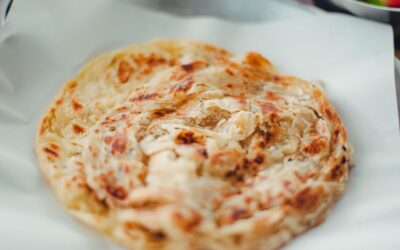
The Plain Parotta, therefore, is the most basic form of this bread that consumers seem to love most. While its exterior has a flaky, golden-brown crust, it is made by folding and rolling out dough and pan-frying at a low temperature.
The end product has a fluffy, mildly crisp feel, which extensively complements hot gravies and varieties. However, its uncomplicated design continues to be a favourite for these reasons and seasons.
4. Butter Parotta: A Luxurious Indulgence
This restaurant is undoubtedly perfect for those who want a rich taste for each bite; that is why Butter Parotta. During this variation, a liberal spoonful of butter is added to the cooking process, making the bread rich and softly textured. It’s particularly suitable for creamy dishes as the taste is enhanced with this perfect ‘melt in your mouth’ texture.
5. Garlic Parotta: Aromatic and Flavorful
The Garlic Parotta is an even better twist that adds a more intense, unforgettable garlic taste to the standard bread. Garlic is mixed into the dough or applied between the crisp layers to give the whole parotta a rich, delicious, almost flavoursome taste.
After they are cooked, they release a beautiful aroma that goes well with spicy curries, such as butter chicken or paneer tikka masala. Sulthans Biriyani pays additional attention to the intensity of garlic flavour to serve as an accompaniment rather than dominating your feast. The Garlic Parotta can be enjoyed by anyone who wants a good dose of zest and aroma with their food.
6. Egg Parotta: A Protein-Packed Twist
Egg Parotta can combine flatbread and omelette to serve a solid meal to satisfy your tummy and taste buds. This version is made by pouring a layer of beaten egg over the parotta dough and folding it into the parotta so that the outside becomes a delicious, crispy, and soft layer.
Replacing the beef with scotch filets, this dish can be served with any of Sulthans Biriyani’s freshly made bread, which is ideal and best enjoyed as a breakfast, lunch, or dinner meal. It goes well with ney or chicken curry or can be eaten with meals.
7. Kothu Parotta: A Complete Meal in Itself
Kothu Parotta is another popular street food in Kerala, which takes the boring flatbread item to a whole new cultural level. Parotta is chopped and stirred with vegetables and spices, eggs, and sometimes chicken, mutton, or anything else. Moreover, the combination of crispy, soft, delicious parottas and others make the dish tasteful.
Our customers love our Kothu Parotta at Sulthans Biriyani; they enjoy the proper seasoning that goes with it and the fresh filling they add. It can be recommended to people who want an exciting, mouth-watering meal ready to meet their meal needs at any time of the day.
Parotta: A Culinary Companion
Parotta is a flatbread that can quickly be served with many more dishes. South Indian dishes are mostly served with it. Flaky, crisp and with a very intense, complex flavour, the Paratha starkly contrasts the various forms of curry and dry preparations it is typically served with.
Curries:
The incredibly soft, flaky texture of parotta perfects the act of serving it with the calories-rich, burst of flavoured gravies of the South Indian curry. Chicken, mutton, and vegetable curry are parathas that help soak up the spiced gravy. They are tender in texture and flavour and quite different from the paratha.
To eat the curry with the parotta, you pull strips of the parotta, and with each dip in the curry, the bread absorbs the gravy, making it taste delicious. Of course, this is a significant distinction which takes the entire dish to another level, where the spiced creamy gravies absorb into the softness of the parotta, and the variants of the curry are bold and aromatic.
Dry Dishes:
Parotta blends well with dry dishes in a way some texture adds a crunch to dishes and compliments spicy meats and vegetables. Chicken 65, Tikka and many other dry curries are mostly packed with robust, fiery tastes and seasonings.
What stands out here is the soft but somewhat tender texture of the parotta, which complements the crispy textures of these dry preparations in taste. The parotta thus blends in and is a bland yet complementary foil to the crunchy spices on the dry dishes; it also reduces the set temperature of the dry dish and lets the spice combinations be the star.
It provides flexibility in meals made from it to prepare curries and dry dishes and adds value to the meal. Sulthans Biriyani is unique because each dish made in the restaurant is created to complement the dishes it serves.
Sulthans Biriyani: The culinary perfection
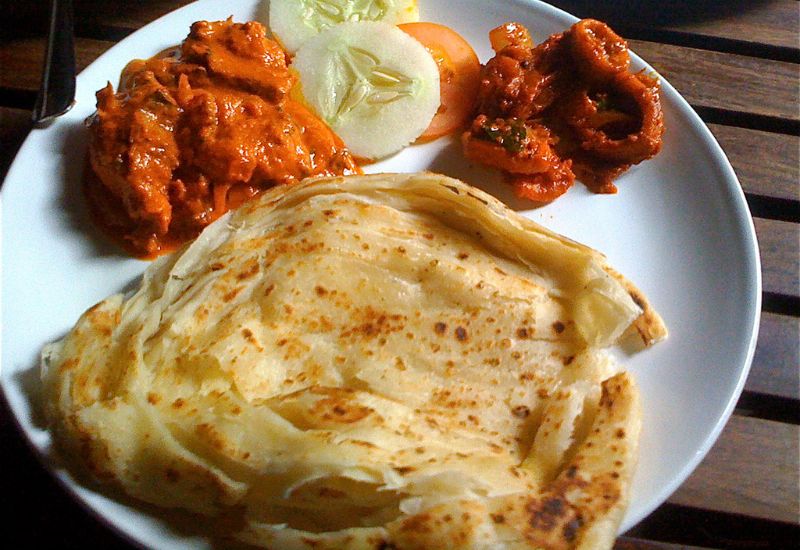
We at Sulthans Biriyani aim to provide our customers with the actual flavour of South India in terms of preparation and the standard ingredients we use. Our parottas, plain parotta, butter parotta, and garlic parotta are prepared for the correct texture.
For a spicy option, have our Tandoori Parotta and Tandoori Wheat Parotta prepared in the tandoor oven to have a crunchy outside and tender inside. These parottas go well with our tasty curries and dry dishes to give your meal that extra taste with each bite.
A Flavorful Conclusion
Parotta occupies the pride of place in the culinary delights of South India, mainly for being an amalgam that compliments nearly every dish. From absorbing the thickness of the gravies of curries to offering a refreshing counterpoint to the crumble of dry dishes, parotta is a loyal side.
It can be eaten naturally, with butter, or with a dash of seasoning; it goes well with almost anything and, therefore, cannot be left out.
We at Sulthans Biriyani are preparing parotta to provide a mouth-watering taste to the people of north and south India. Come to us and taste this uniqueness of flatbread parotta with our mind-blowing curries and dry preparation, giving you an unforgettable food fantasy.
FAQs: The Parotta We know everything there is to know about Sulthans Biriyani
1. Parotta and Roti are both bread-like products, but the preparation of the two foods differ significantly. Where does parotta come from?
Parotta is a layered, flaky flatbread, and roti is generally soft, less layered than parotta and not too flaky. Parotta is prepared with the help of washing and folding the dough and then stretching it out for thin layers to be cooked. Roti is ready by flattening the dough and cooking it on a hot plate called a tawa, a round flatbread.
2. Why is the parotta at Sulthans Biriyani’s so different?
Here at Sulthans Biriyani, we pride ourselves on making our parottas traditionally with the best ingredients. The variations in the Parotta, namely Tandoori Parotta and Tandoori Wheat Parotta, set our restaurant apart from other dining places and suit the gourmet rich curries and dry dishes.
3. Which types of foods are compatible with parotta?
It can be served with both the gravies and the dry preparations of your choice, making parotta a versatile dish. It helps to absorb the maximum amount of South Indian gravy and curries like chicken curry, mutton curry, etc. It also has a different texture when mixed with dry recipes like Chicken 65, Veg 65, Chicken Tikka, etc.
4. Can parotta be made with whole wheat instead of refined wheat flour?
Of course, at Sulthans Biriyani, we serve Tandoori Wheat Parotta, also made from whole wheat flour but tends to have the same feel as normal parotta.
5. What is the best way I can make to enjoy parotta?
If one wants to experience the actual piece, tear the parotta into pieces and proceed to dunk it into your preferred curry or recover the dry dishes. Due to its soft and fragile structure can be great for absorbing thick sauces or gravies or eating with hot and dry curries.